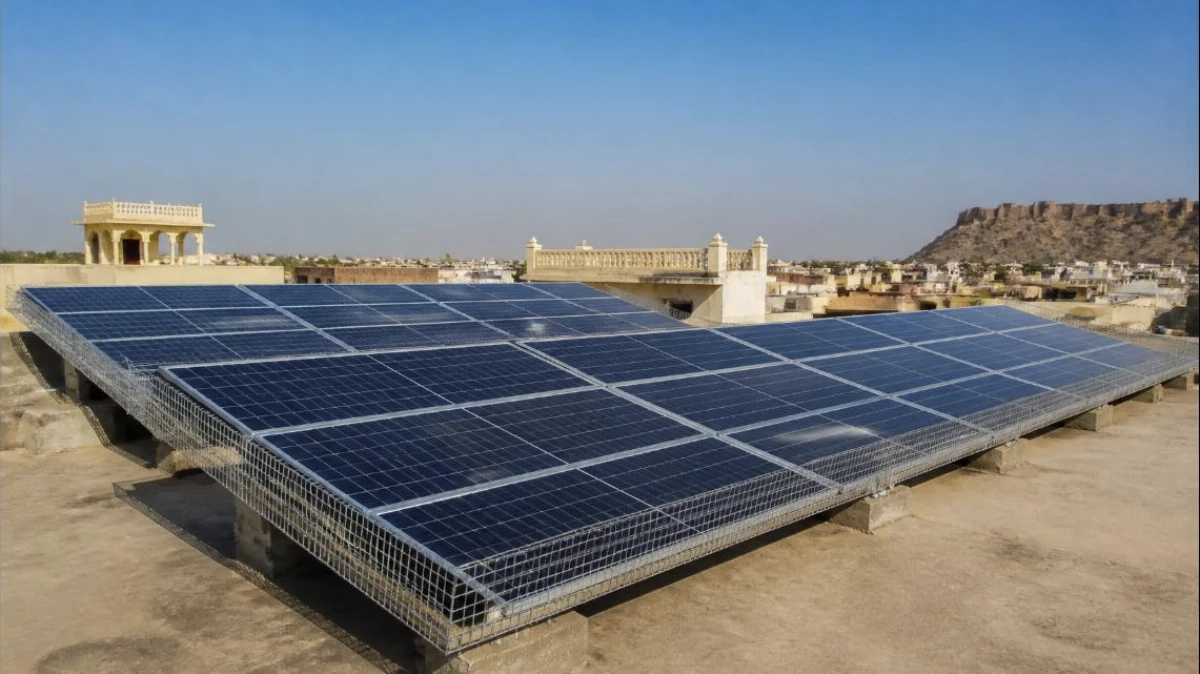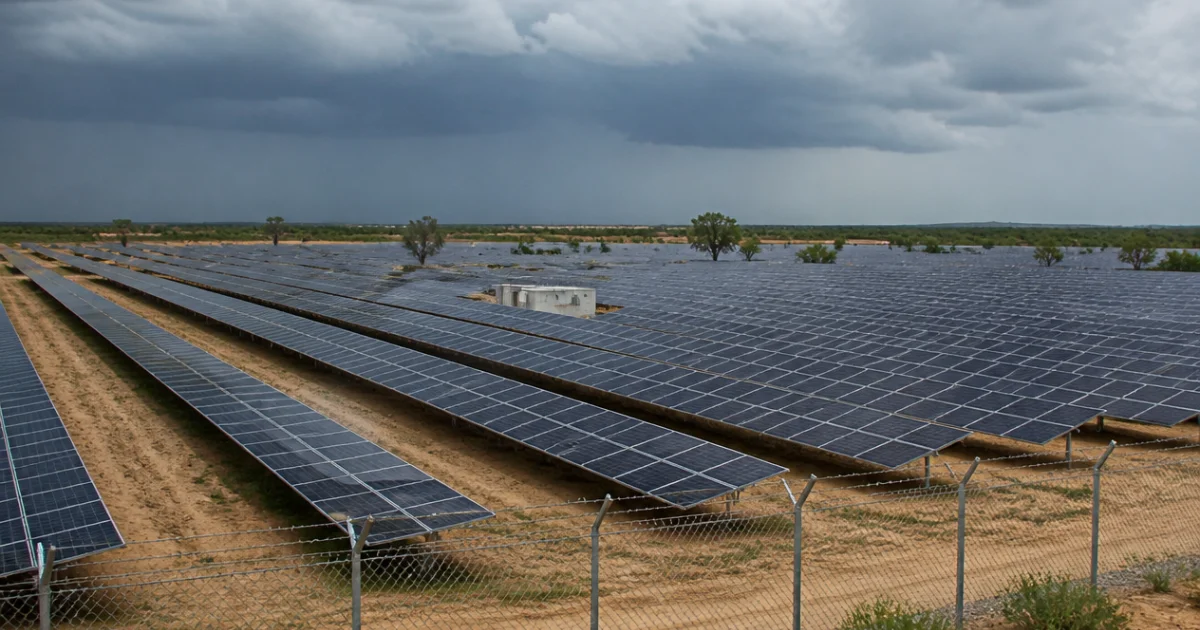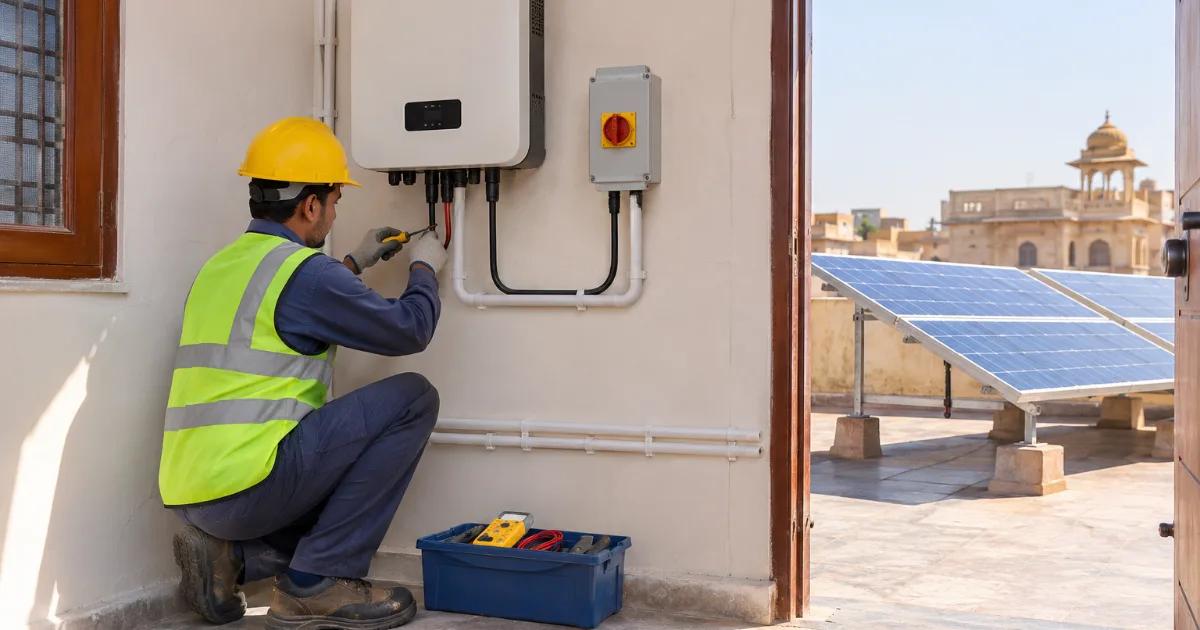
Solar panels produce direct current (DC), but your home appliances, office equipment and the electricity grid use alternating current (AC). The inverter is the device that converts one into the other, and it also manages safety, monitoring and, in some systems, batteries. Because it is the brain of the system, choosing the right inverter matters as much as choosing good panels.
1. What an inverter does
- Converts DC from the panels into grid-quality AC.
- Tracks the maximum power point (MPPT) so the panels deliver as much energy as possible as sunlight changes.
- Disconnects automatically when the grid fails (anti-islanding) on on-grid systems, protecting line workers.
- Records generation data that you can see on a display or mobile app.
2. String inverters
A string inverter connects to one or more “strings” of panels wired in series. It is the most common choice for homes, shops and factories with simple, unshaded roofs.
- Advantages: proven technology, lower cost per kilowatt, easy to service and replace.
- Limitations: if one panel in a string is shaded or dirty, the output of the whole string can drop. Multiple MPPT inputs help when panels face different directions.
3. Microinverters
A microinverter sits behind each panel (or pair of panels) and converts DC to AC right there. Each panel works independently, so shade on one does not pull the others down, and you can monitor every panel separately.
- Good for: roofs with partial shade from water tanks, trees or nearby buildings, and roofs with several orientations.
- Points to consider: higher cost per kilowatt and more electronics on the roof, which face high temperatures in Rajasthan summers.
4. Hybrid inverters
A hybrid inverter works with both the grid and a battery bank. It can store surplus solar energy and supply power during outages, while still exporting to the grid under net metering where allowed.
- Good for: homes and businesses with frequent power cuts or critical loads such as medical equipment, servers or cold storage.
- Points to consider: batteries add cost and need replacement after their service life; size the backup for essential loads only.
The choice of inverter is linked to the type of system, which we explain in our guide to on-grid vs off-grid vs hybrid solar systems.
5. How to choose
- Size: the inverter rating should match the panel capacity, as worked out by your installer.
- Approvals: for grid-connected systems, choose models that meet the standards and approved lists required by your DISCOM and any subsidy scheme.
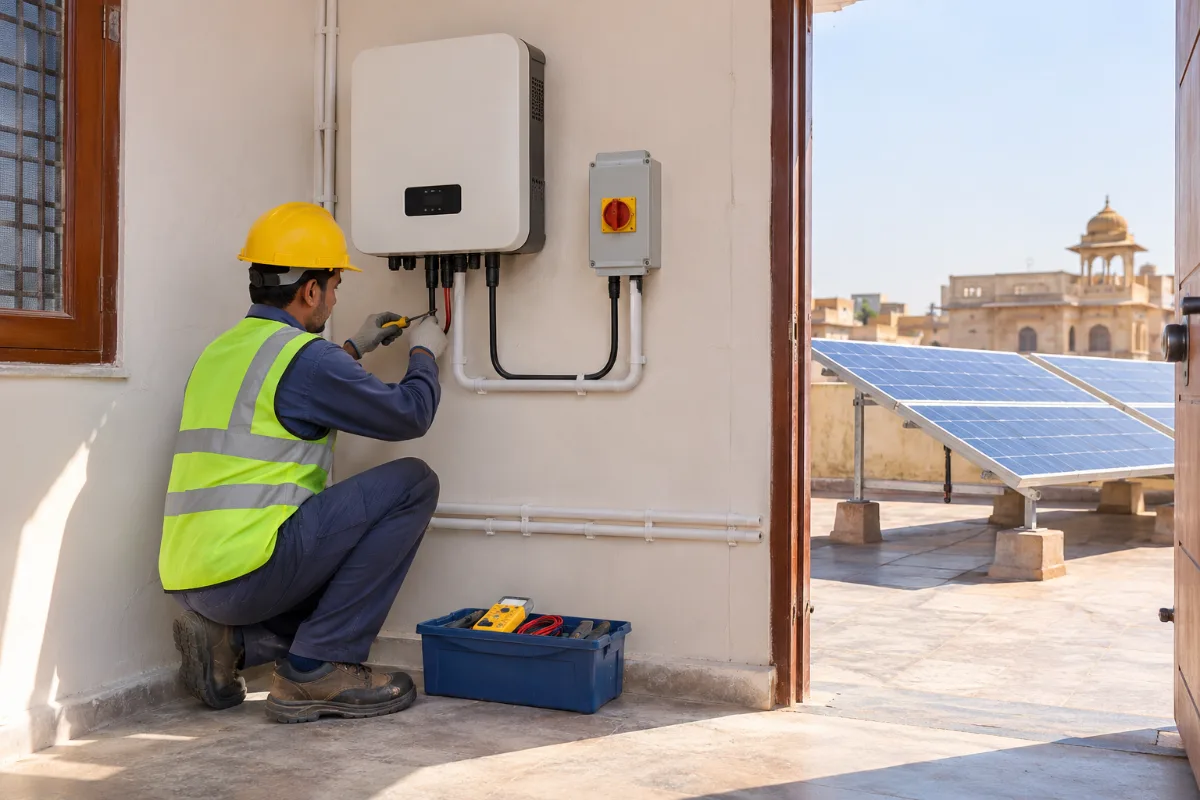
- Efficiency and heat: check rated efficiency and how the inverter performs at high temperatures; install it in a shaded, ventilated spot.
- Warranty and service: look for a clear warranty and a service network that can reach your location in Rajasthan.
- Monitoring: app or web monitoring helps you spot problems early.
6. Care and maintenance
Keep the inverter area clean and dry, check the display or app regularly for error codes and compare daily generation with previous days. A sudden drop usually points to dirty panels, a tripped breaker or an inverter fault. Our solar cleaning and maintenance guide covers the routine checks.
If you are planning a home system, see our residential solar page. Wondering how to pay for it? The ATTPL Finance guide to rooftop solar loans explains the main financing options.
7. Signs your inverter needs attention
- Error codes or warning lights on the display.
- Generation much lower than on similar sunny days.
- The inverter switching off repeatedly during the day.
- Unusual noise, heat or a burning smell — switch off safely and call your installer.
Most issues are simple to fix when caught early, which is why regular monitoring is worth the few minutes it takes.
Frequently asked questions
Which inverter is best for a home rooftop system?
For most unshaded home roofs a good string inverter is enough. Microinverters help when there is partial shade, and a hybrid inverter is useful when you need battery backup during power cuts.
Does an on-grid inverter work during a power cut?
No. For safety, an on-grid inverter switches off when the grid fails. You need a hybrid inverter with batteries for backup.
Where should the inverter be installed?
In a shaded, well-ventilated place protected from rain and direct sun, close to the panels and the main distribution board.
Want help choosing the right inverter and system? Contact ATTPL Solar for a site survey.