When you compare solar quotations, you will see terms like Mono PERC, TOPCon, half-cut and bifacial. These describe how the solar cells and modules are made, and they affect efficiency, roof space needed, performance in heat and price. Here is a simple guide to what they mean.
1. Monocrystalline vs polycrystalline
Monocrystalline cells are cut from a single silicon crystal and are more efficient than older polycrystalline cells, which are made from many crystals. Most new projects in India now use monocrystalline technology because it produces more power from the same roof area.
2. Mono PERC panels
PERC (Passivated Emitter and Rear Cell) adds a layer at the back of the cell that reflects unused light back into it, increasing output. Mono PERC panels have been the mainstream choice for rooftop and utility projects for several years.
- Proven, widely available and competitively priced.
- Good choice where budget is the main concern.
3. TOPCon panels
TOPCon (Tunnel Oxide Passivated Contact) is a newer cell design that reduces energy losses further. Manufacturers generally rate TOPCon modules at higher efficiency than comparable PERC modules, with lower degradation and better performance at high temperatures — useful in hot Rajasthan summers. They usually cost a little more per watt.
4. Bifacial panels
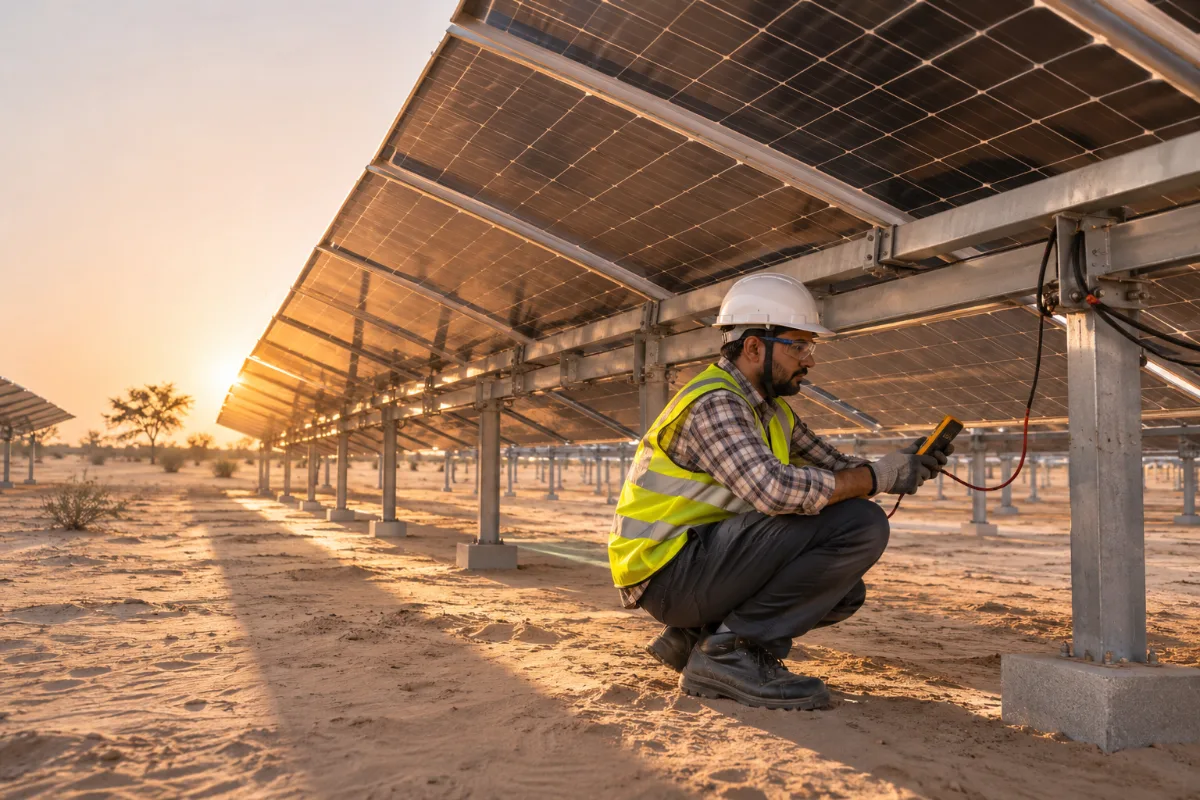
Bifacial modules capture light from both the front and the back. The extra energy from the rear side depends on how much light is reflected from the surface below, so bifacial panels make the most sense on elevated structures over light-coloured ground, white roofs or sand. On a typical home roof with low mounting, the gain is smaller.
5. Half-cut cells and other terms
- Half-cut cells: cells cut in half to reduce electrical losses and limit the effect of partial shading.
- Wattage: higher-wattage panels mean fewer panels for the same capacity, saving roof space.
- Temperature coefficient: a lower value means less output loss on hot days.
- Degradation and warranty: check both the product warranty and the performance warranty.
6. Choosing panels for your project
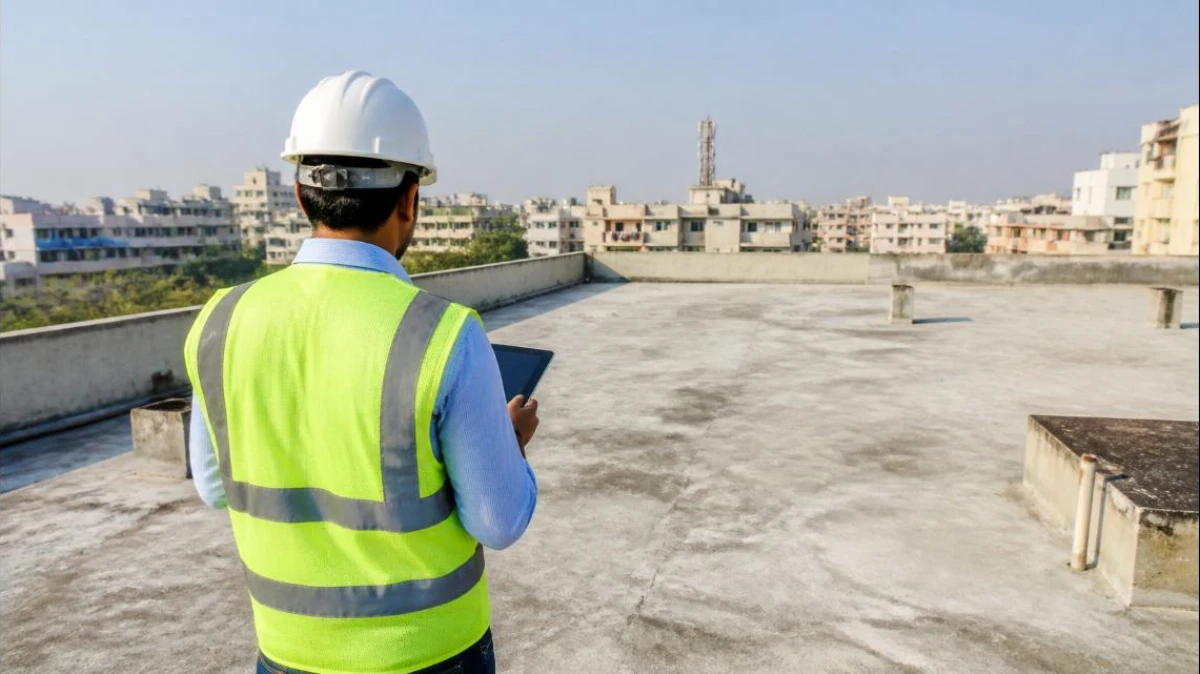
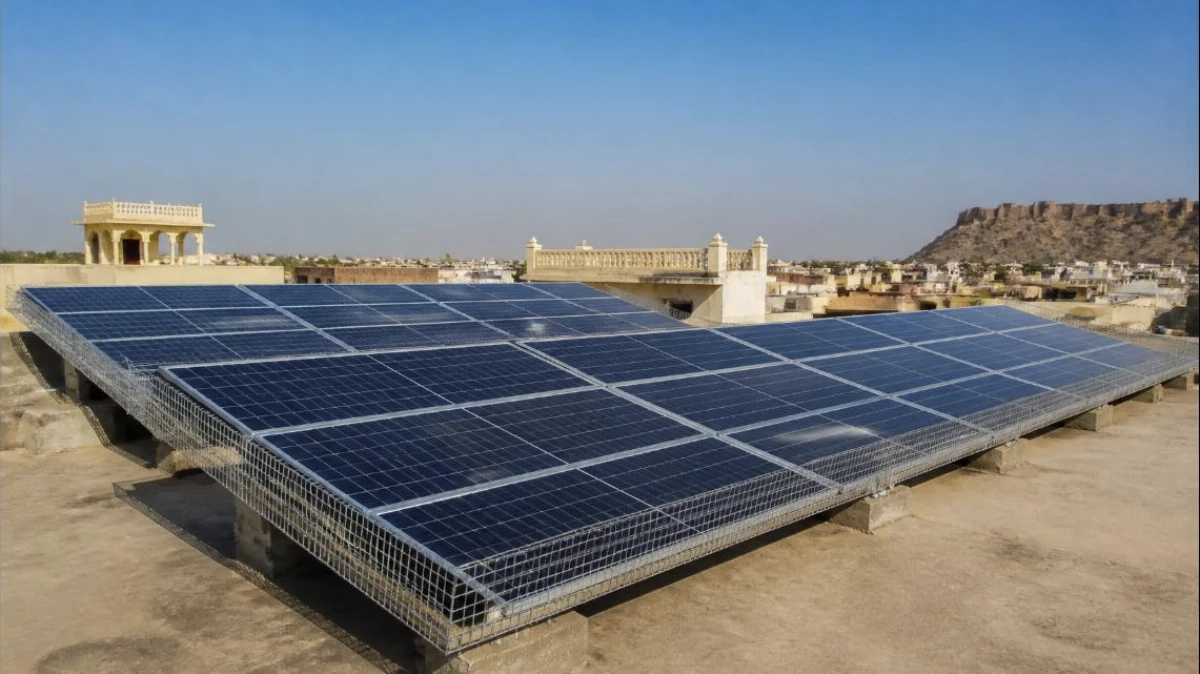
- Homes with limited roof space: high-efficiency mono PERC or TOPCon panels.
- Industrial and commercial roofs: compare cost per watt and expected generation over the system’s life; see our industrial rooftop solar planning guide.
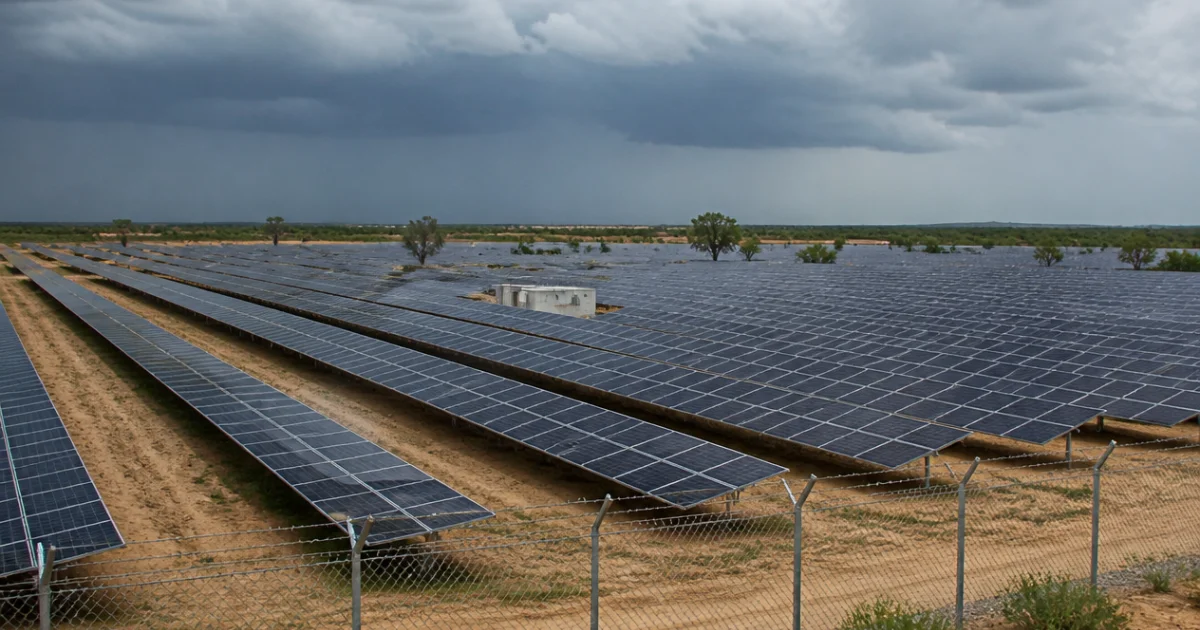
- Ground-mounted plants and agriculture: bifacial modules on elevated structures can add generation; see our industrial solar solutions.
- Subsidy schemes: some schemes require domestically manufactured cells and modules from approved lists, so check scheme rules before choosing.
Larger ground-mounted plants also involve civil works such as levelling, fencing, foundations and drainage; ATTPL Infra handles this kind of site work.
7. Mounting structures matter too
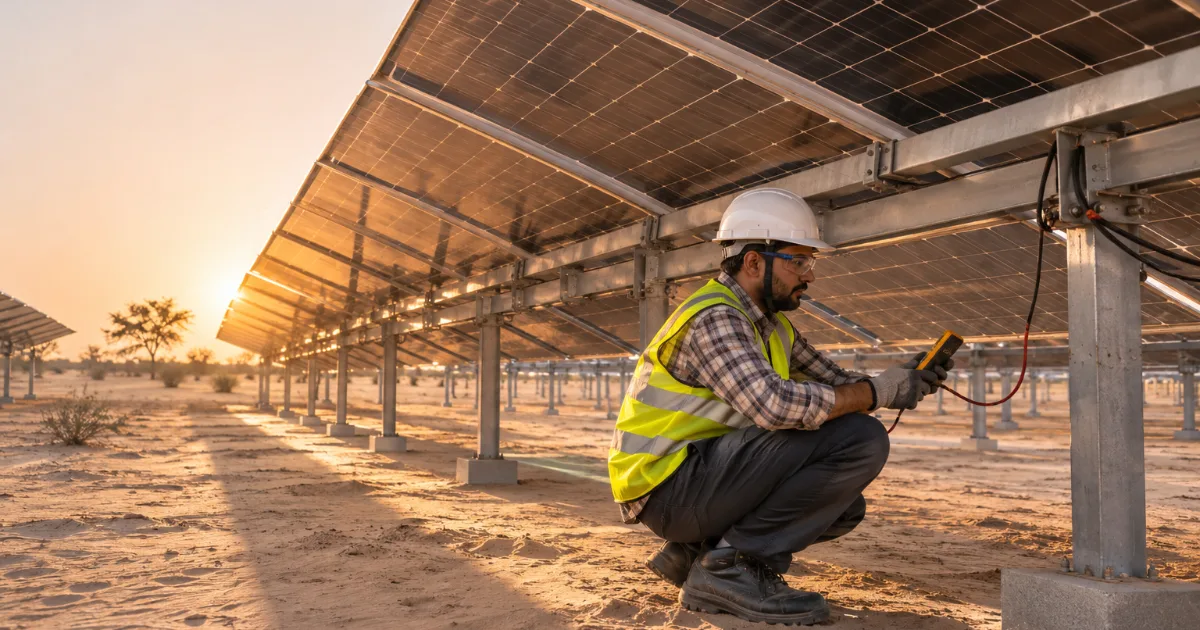
Even the best panel underperforms on a poor structure. In Rajasthan, structures must handle strong winds and dust storms, so use hot-dip galvanised or properly coated steel, correct foundations or anchoring and the right tilt for your location. Raised structures make cleaning easier and leave usable space below on terraces. For bifacial modules, the height and the colour of the surface underneath directly affect how much extra energy you get from the rear side.
8. Reading a panel datasheet
- Rated power (Wp): output under standard test conditions.
- Module efficiency: how much sunlight is converted into electricity.
- Temperature coefficient of Pmax: how much output falls for every degree of heating.
- Certifications: compliance with the applicable BIS and IEC standards.
In short, there is no single best panel for everyone. A home with a small terrace benefits most from high efficiency, a factory roof from the lowest cost per unit generated over 25 years, and a ground-mounted plant from bifacial gains on a well-designed structure. A good installer will show you the expected annual generation for each option so you can compare them on value, not just on price per watt.
Frequently asked questions
Is TOPCon better than Mono PERC?
TOPCon modules are generally rated at higher efficiency and better heat performance, but they cost a bit more. The right choice depends on roof space, budget and scheme requirements.
Are bifacial panels worth it on a home roof?
Usually only if they are mounted high enough over a reflective surface. On low, flat mounting the extra generation is limited.
What warranty should solar panels have?
Look for both a product warranty and a long-term performance warranty from the manufacturer, and keep the documents safely.
Not sure which panel suits your roof? Talk to ATTPL Solar for an honest comparison.