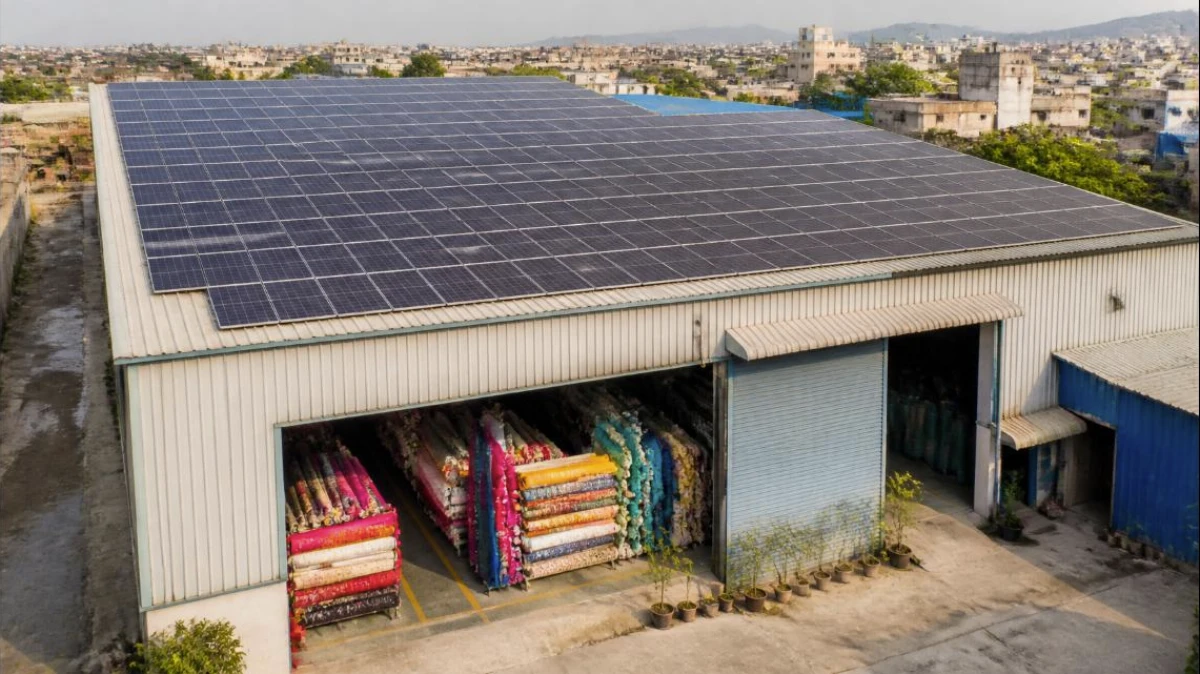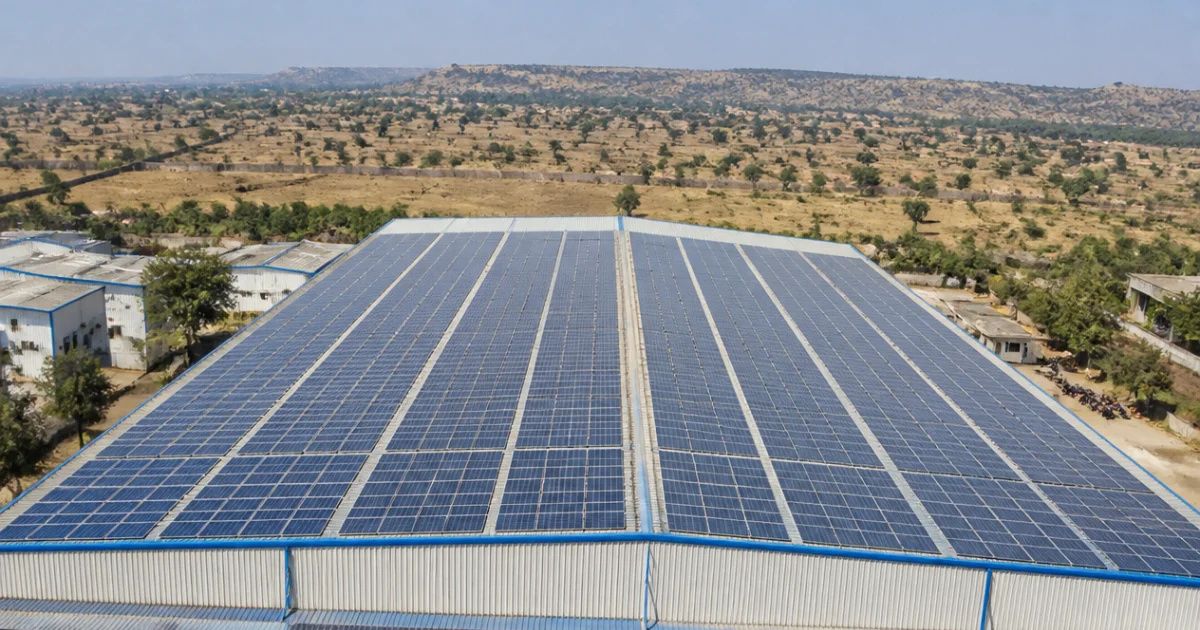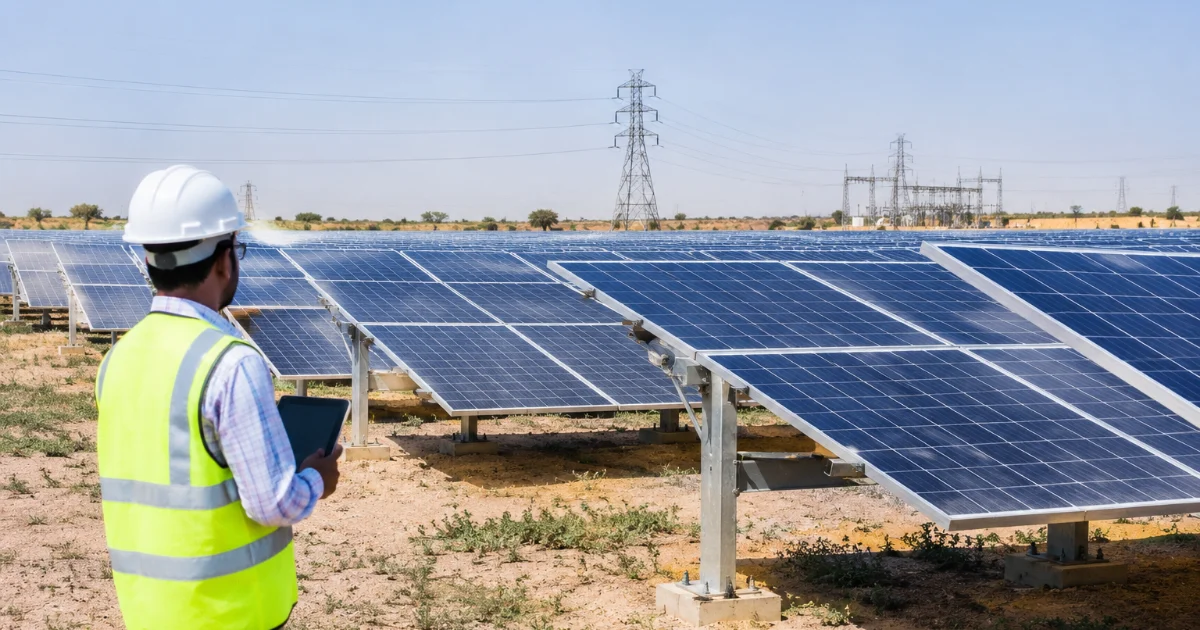
Many factories have more electricity demand than their rooftops can support with solar panels. Open access allows large consumers to buy power from a solar plant located elsewhere — often a ground-mounted plant on land with excellent sunshine — and receive it through the grid. In Rajasthan, with abundant land and solar resources, open access can significantly reduce power costs for eligible industries.
1. What open access means
Open access lets an eligible consumer source electricity from a generator of its choice, instead of only from the local distribution company, using the transmission and distribution network for delivery. Charges are paid for using the network. The Green Energy Open Access Rules have lowered eligibility thresholds for green energy, and state regulations set the detailed procedures and charges.
2. Common models
- Captive: the consumer owns the plant or holds the required equity share and consumption under captive rules.
- Group captive: several consumers jointly hold equity in a plant developed by a developer.
- Third-party sale: the consumer buys power from a developer under a power purchase agreement.
Each model has different charges, risks and regulatory requirements.
3. Charges to consider
Savings depend not only on the solar tariff but also on transmission and wheeling charges, losses, cross-subsidy surcharge and additional surcharge (which may be waived for captive consumers under certain conditions), banking charges and scheduling costs. These are set by the regulator and can change. A careful landed-cost calculation compares open access power with the grid tariff.
4. Approvals and process
- Check eligibility under current state regulations.
- Select the model and developer.
- Apply for open access approval and connectivity.
- Sign power purchase or captive agreements.
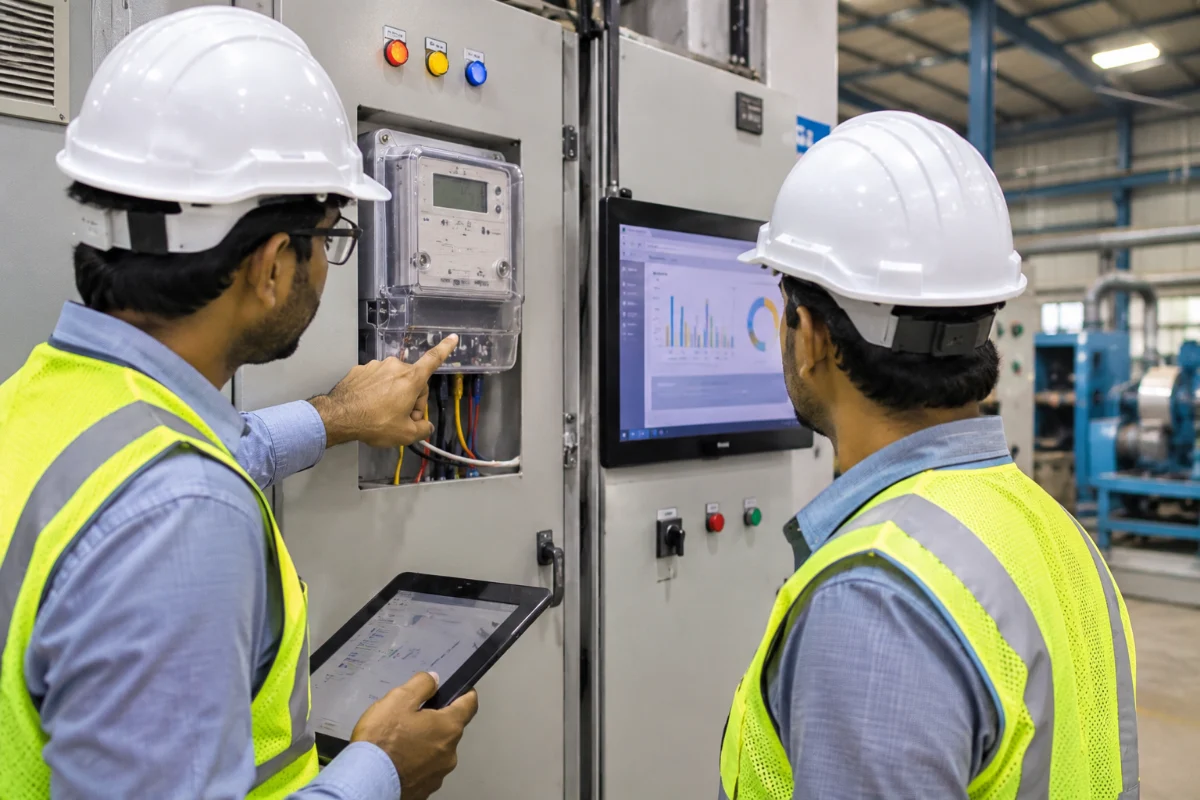
- Install metering and arrange scheduling as required.
Timelines for approvals and plant construction should be built into planning.
5. Rooftop vs open access
Rooftop solar has no network charges and is quick to install but is limited by roof area. Open access offers scale but involves charges and regulatory complexity. Many industries combine both. Our industrial rooftop solar guide and CAPEX vs OPEX guide explain the rooftop side.
6. Evaluating savings step by step
- Collect 12 months of electricity bills and load data.
- Estimate how much solar energy can be used given consumption patterns.
- Get tariff offers from developers for the chosen model.
- Add all applicable network charges, losses and surcharges.
- Compare the landed cost with your current grid tariff.
- Test the result against possible changes in charges.
Industries with steady daytime consumption usually benefit most, because solar generation matches their load.
7. Choosing a developer
Assess a developer’s track record, financial strength, land and connectivity status, and the operation and maintenance arrangements for the plant. Ask for generation data from existing plants. Clarify who handles approvals, scheduling and regulatory filings. A reliable developer reduces the risk of delays and shortfalls over the long contract period.
8. Contracts and risk
Long-term agreements should cover tariff, duration, generation guarantees, change-in-law provisions, payment security and exit terms. Regulatory changes in charges can affect savings, so contracts should address them. Legal review by ATTPL Legal and financing options from ATTPL Finance help industries make informed decisions. Monitoring generation is covered in our performance monitoring guide.
Frequently asked questions
Who can use green energy open access?
Eligibility depends on the Green Energy Open Access Rules and state regulations, which set minimum load thresholds and conditions.
What is group captive solar?
A model where several consumers hold equity in a solar plant and consume its power under captive rules.
Are open access savings guaranteed?
No. Savings depend on tariffs and regulated charges, which can change; contracts should address these risks.
Can open access be combined with rooftop solar?
Yes, many industries use rooftop solar for part of their demand and open access for additional green power.
Sources
Exploring solar for your industry? Contact ATTPL Solar.