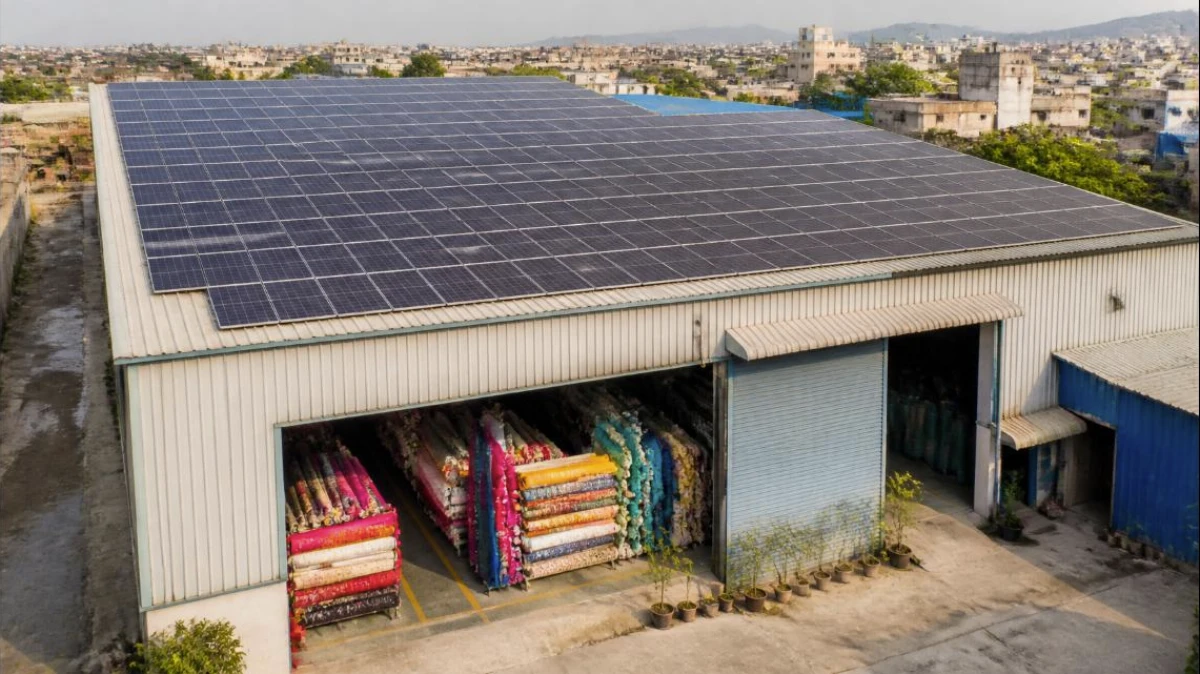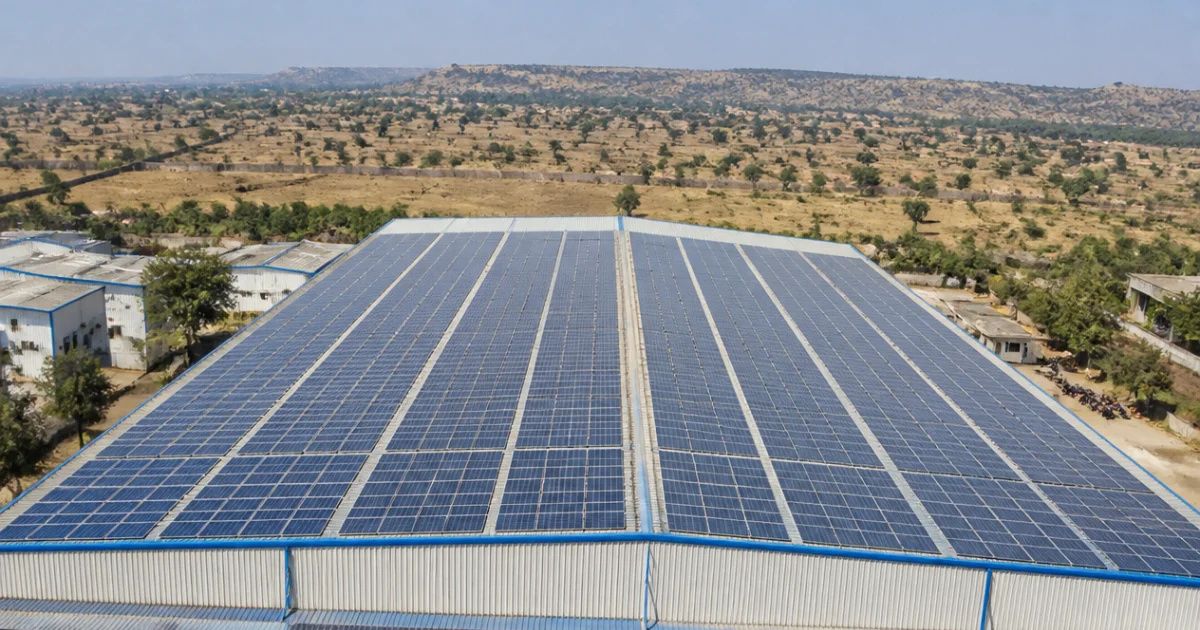
Shops and showrooms run lights, air conditioners and display systems mostly during daytime, exactly when solar panels produce power. With commercial electricity tariffs usually higher than domestic ones, rooftop solar can noticeably reduce monthly bills. Whether it is worth it depends on the roof, the load and the ownership of the building.
1. Check the roof
- Shadow-free area for most of the day; see our shading analysis guide
- Structural condition and waterproofing of the roof
- Access for cleaning and maintenance
- Space for inverter and cabling
2. Size the system
Look at twelve months of electricity bills to understand units consumed and sanctioned load. Size the system to cover daytime consumption within the limits allowed by your distribution company. Our system sizing guide explains the basic method.
3. Net metering and approvals
In Rajasthan, grid-connected rooftop systems need an application to the distribution company, approval and a net or bidirectional meter. The process is explained in our net metering guide.
4. Rented premises
If you rent the shop, get the owner’s written consent, agree who owns the system and what happens if you move. Some owners and tenants share the savings. Financing options for small businesses are explained by ATTPL Finance.
5. Maintenance and support
Clean panels regularly, check inverter alerts and compare generation with expectations every month. ATTPL Solar surveys, designs and installs rooftop systems. For a discussion about your requirement, contact ATTPL HOLDCO or call toll-free 1800-890-0815.
Frequently asked questions
Can a shop on rent install rooftop solar?
Yes, with the building owner’s written consent and a clear agreement on ownership and relocation.
Does rooftop solar work for showrooms with heavy AC load?
Yes. Daytime AC load matches solar generation well, though the system size is limited by roof area and discom rules.
How long do solar panels last?
Quality panels typically carry performance warranties of 25 years or more; inverters may need replacement earlier.
Sources
This article is general information, not professional advice. Rules, rates and schemes change; please check the official sources and consult a qualified professional.
Related reading: For roadside businesses with heavy daytime loads, see our solar guide for petrol pumps and fuel stations.