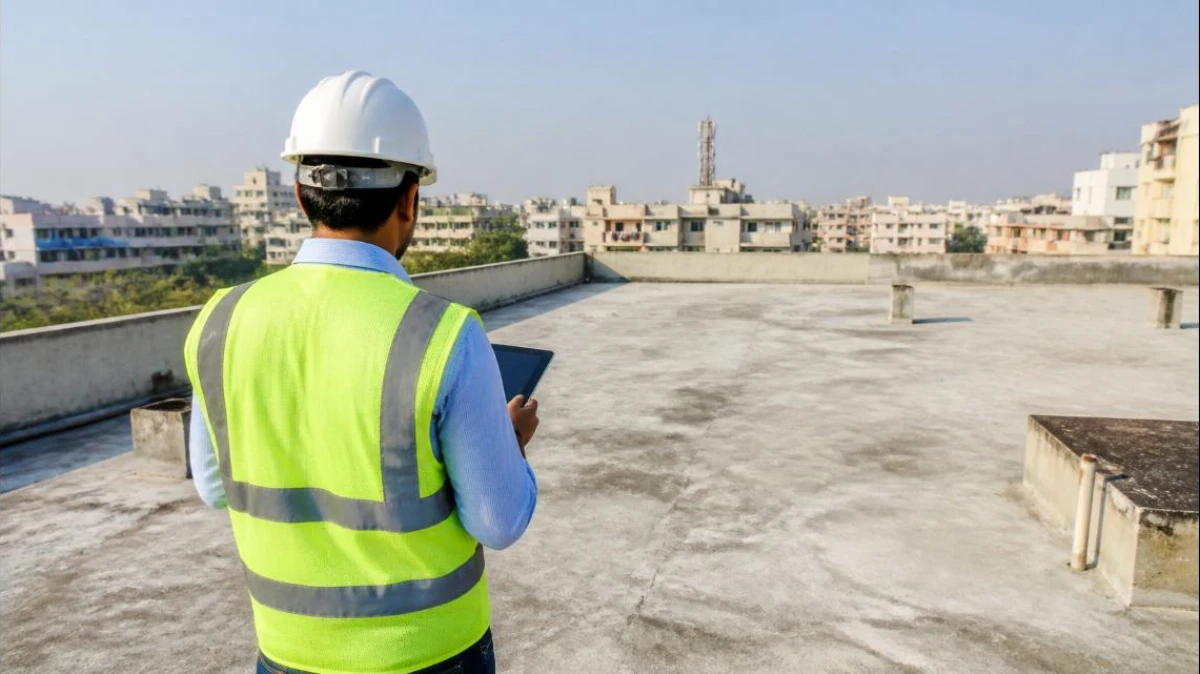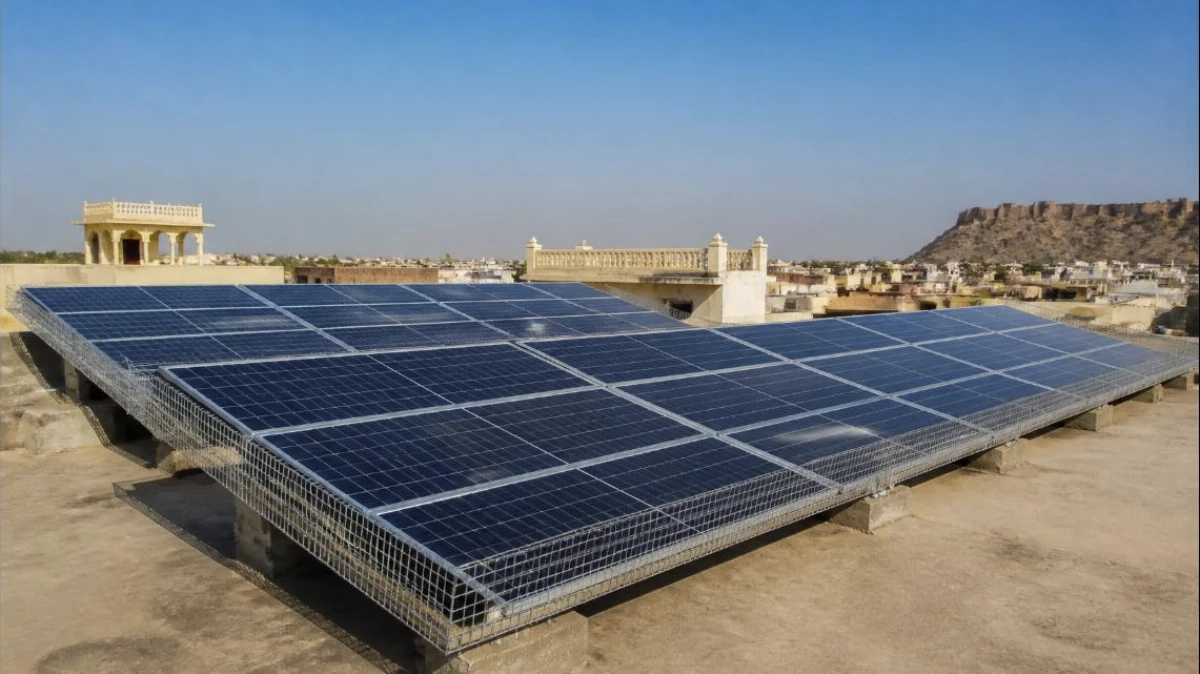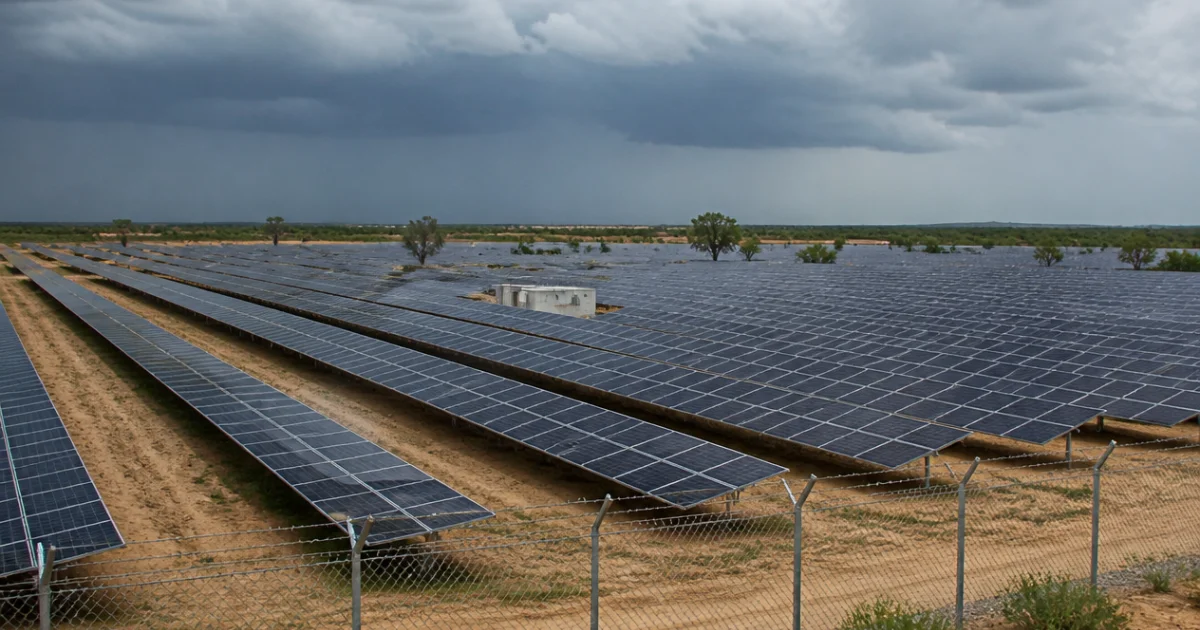
Two identical solar systems can produce very different amounts of electricity. The difference often comes from the roof itself: orientation, shadows and structure. A careful site survey and shading analysis before installation is the best way to protect your investment.
1. What a good site survey covers
- Usable roof area, orientation and tilt.
- Roof type and strength — RCC, metal sheet or tiled — and the condition of waterproofing.
- Obstructions: water tanks, staircases, parapets, lift rooms, trees and neighbouring buildings.
- Cable routes, inverter location, earthing points and meter location.
- Access for safe installation and future cleaning.
2. Why shading matters so much
Solar cells in a panel are connected in series. A shadow on even a small part of a panel can reduce the output of that panel, and in a string system it can affect others too. Morning and evening shadows from tanks, parapets and trees change through the year as the sun’s path moves.
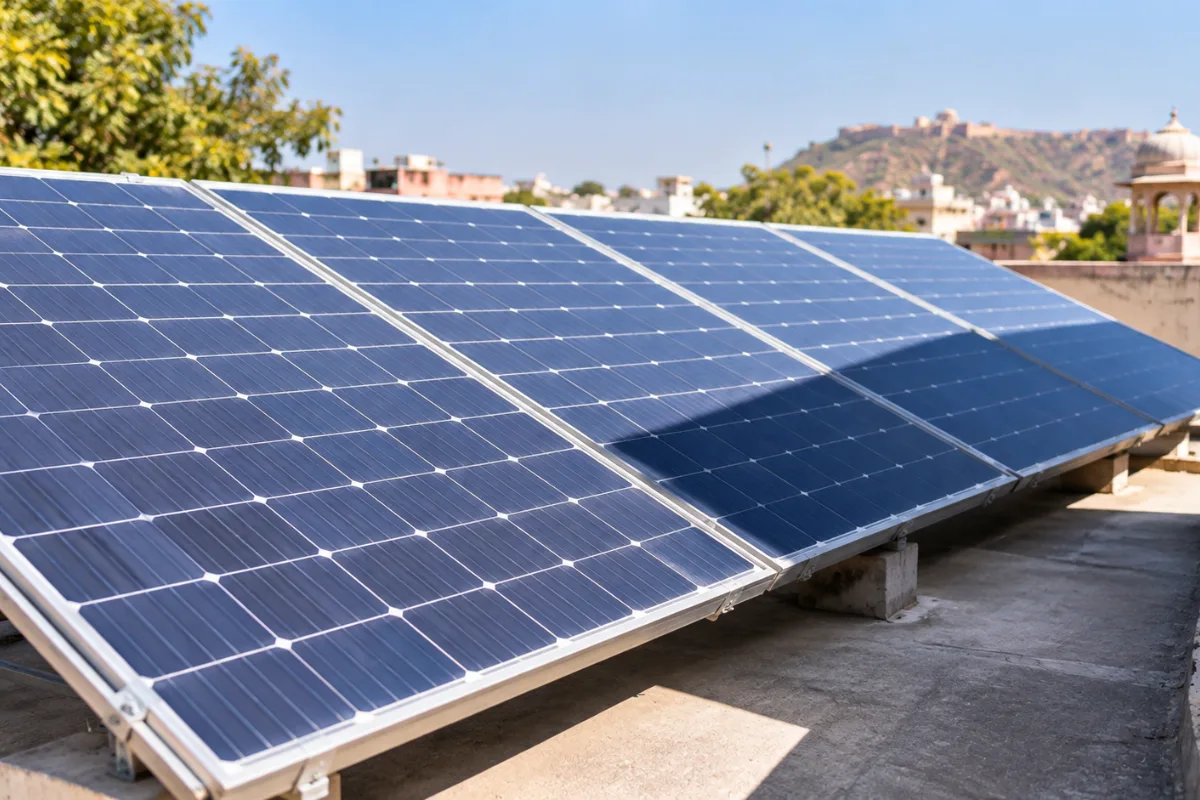
3. How shading analysis is done
Installers use sun-path tools, drone or satellite imagery and design software to model shadows across seasons. The layout then avoids shaded zones, adjusts row spacing and raises structures where needed. Our guide to solar mounting structures explains elevated options.
4. Design choices that reduce losses
- Leave clear space around tanks and parapets.
- Group panels with similar shading on the same string.
- Consider module-level electronics such as optimisers or micro-inverters where shading cannot be avoided — see inverter types.
- Plan for cleaning access in dusty conditions.
5. Ask for the survey report
Before signing, ask your installer for the layout drawing, expected annual generation and the assumptions used. Sizing is explained in our rooftop solar size guide. For structural checks of older roofs, see ATTPL Infra, and contact ATTPL for a site survey.
Frequently asked questions
Does a small shadow really reduce solar output?
Yes. Partial shading on a panel can reduce its output and, in string systems, can affect other panels in the same string.
Which direction should rooftop panels face in Jaipur?
Generally south-facing with a suitable tilt gives the best annual generation, but the site survey decides the final layout.
Can trees be a problem for rooftop solar?
Yes, especially in winter when the sun is lower. Trimming or layout changes may be needed.
This article is general information. Actual generation, savings and approvals depend on site conditions and current DISCOM and government rules.