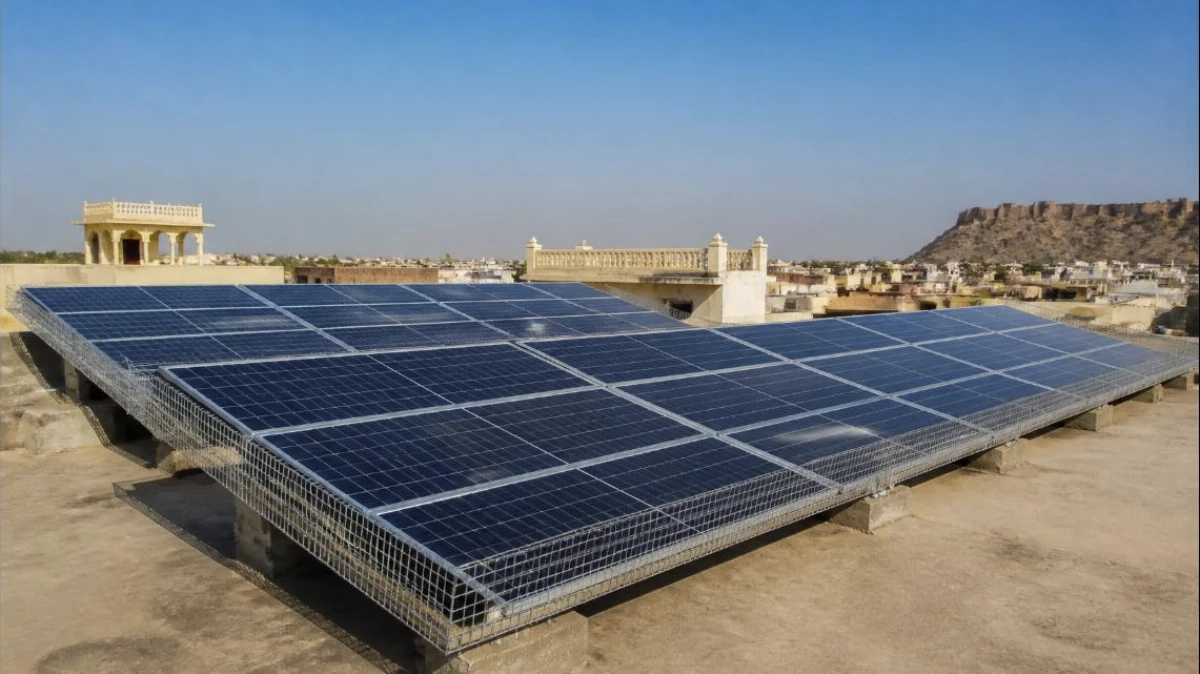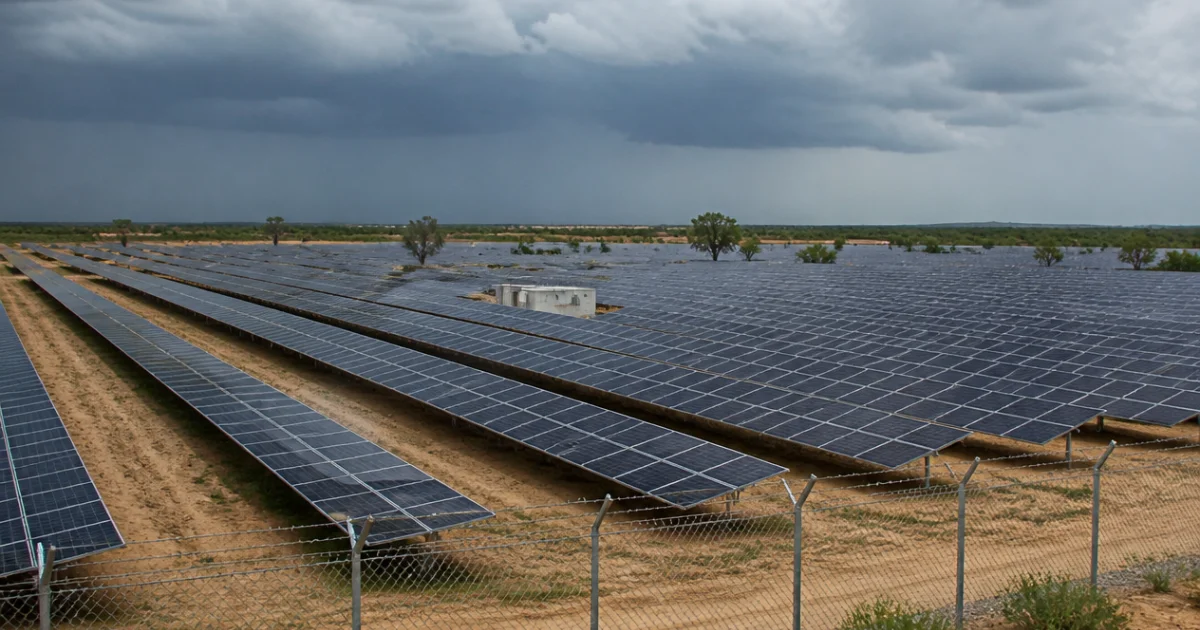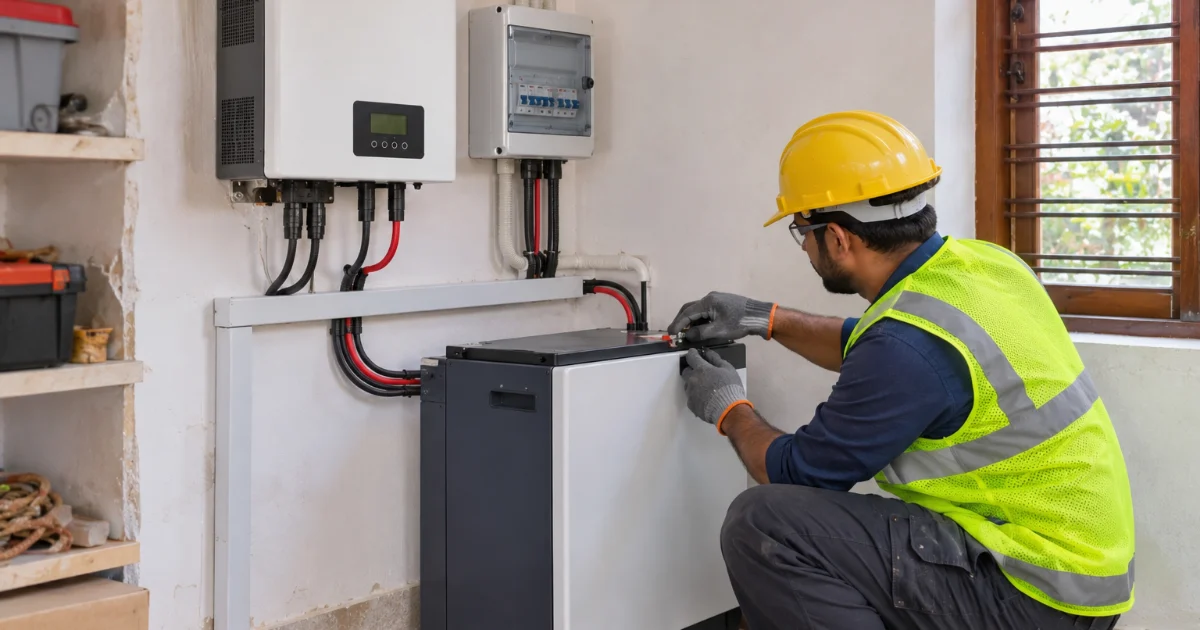
Most grid-connected rooftop solar systems in India work without batteries: they supply power during the day and export surplus to the grid under net metering. But in areas with frequent power cuts, or for homes and shops that want backup during outages, batteries become important. The choice between lithium-ion and traditional lead-acid batteries affects cost, life, space and safety. This guide explains when batteries make sense and how to choose.
1. Do you need batteries at all?
- On-grid systems without batteries are the simplest and cheapest. They shut down during a grid outage for safety.
- Hybrid systems combine grid connection with batteries, giving backup during outages.
- Off-grid systems rely fully on batteries and are used where there is no reliable grid.
Our on-grid vs off-grid vs hybrid guide explains these options in detail.
2. Lead-acid batteries
Lead-acid batteries, including flooded tubular and sealed types, have been used with inverters in Indian homes for decades.
- Lower upfront cost and widely available service.
- Shorter life and fewer charge cycles.
- Usable capacity is limited; regular deep discharge shortens life.
- Flooded types need water top-ups and ventilation.
- Heavy and bulky for the energy stored.
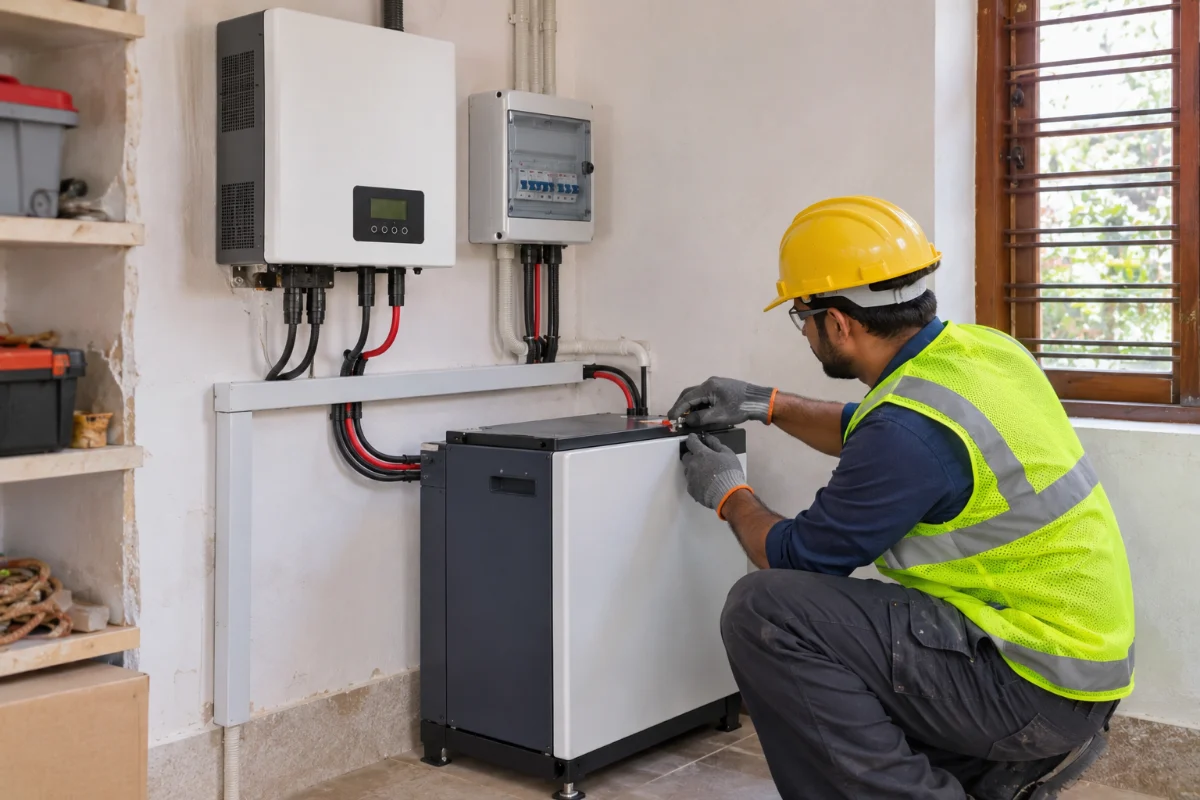
3. Lithium-ion batteries
Lithium batteries, especially lithium iron phosphate (LFP) chemistry, are increasingly used with solar.
- Much longer cycle life and higher usable depth of discharge.
- Compact, lighter and maintenance-free.
- Higher upfront price, but often lower cost per unit stored over the battery’s life.
- Need a compatible inverter and a battery management system (BMS).
4. Compare on lifetime cost, not purchase price
Divide the total cost of a battery by the energy it can deliver over its life (usable capacity × number of cycles). On this basis, lithium often works out competitive despite its higher price, especially where batteries are cycled daily. For occasional backup only, lead-acid may still be adequate.
5. Sizing the battery
- List the loads you want during an outage — lights, fans, refrigerator, internet, a few sockets.
- Estimate their power and the hours of backup needed.
- Choose capacity with a margin, considering usable depth of discharge.
- Match the inverter’s battery voltage and charging capability.
Backing up only essential loads keeps battery size and cost reasonable. Our rooftop solar sizing guide explains how to size panels as well.
6. Safety and installation
Install batteries in a cool, dry, ventilated place away from direct sun and flammable materials. Use certified batteries with proper protection, correctly rated cables, fuses and isolators. Heat shortens battery life, so avoid hot rooftop enclosures in Rajasthan summers. Proper earthing and installation by trained technicians are essential. Regular checks can be part of an AMC, as described in our warranty and AMC guide.
7. Small businesses and institutions
Shops, clinics, schools and offices with critical loads — refrigeration, computers, medical equipment — can benefit from hybrid systems. Larger commercial storage needs detailed design. Financing for solar with storage is explained by ATTPL Finance, and electrical integration in buildings by ATTPL Infra.
8. Maintenance and end of life
Lead-acid batteries need periodic checks of terminals and, for flooded types, distilled water levels. Lithium batteries need little routine maintenance, but the battery management system should be monitored for alerts. Keep batteries clean and dry, check connections for heat or corrosion, and avoid repeatedly draining them completely.
- Record the installation date and warranty terms.
- Watch for reduced backup time, which signals ageing.
- Return old batteries to authorised recyclers or dealers under the battery waste management rules — never dispose of them with household waste.
Responsible recycling recovers valuable materials and prevents pollution from lead and electrolytes.
Frequently asked questions
Do on-grid solar systems work during power cuts?
Standard on-grid systems shut down during outages for safety. Backup needs a hybrid system with batteries.
How long do lithium solar batteries last?
Good LFP batteries typically last many years and thousands of cycles, depending on usage, temperature and depth of discharge.
Can I add batteries to my existing solar system?
Often yes, by adding a hybrid inverter or a compatible battery system. A technician should check compatibility.
Planning solar with backup? Contact ATTPL Solar.