Heating water for bathing is one of the largest uses of electricity or gas in many homes during winter. A solar water heater uses free sunshine to provide hot water most days of the year, cutting energy bills and reducing load on geysers. With Rajasthan’s strong sunshine, solar water heating is a simple, proven technology for homes, hostels, hotels and hospitals.
1. How a solar water heater works
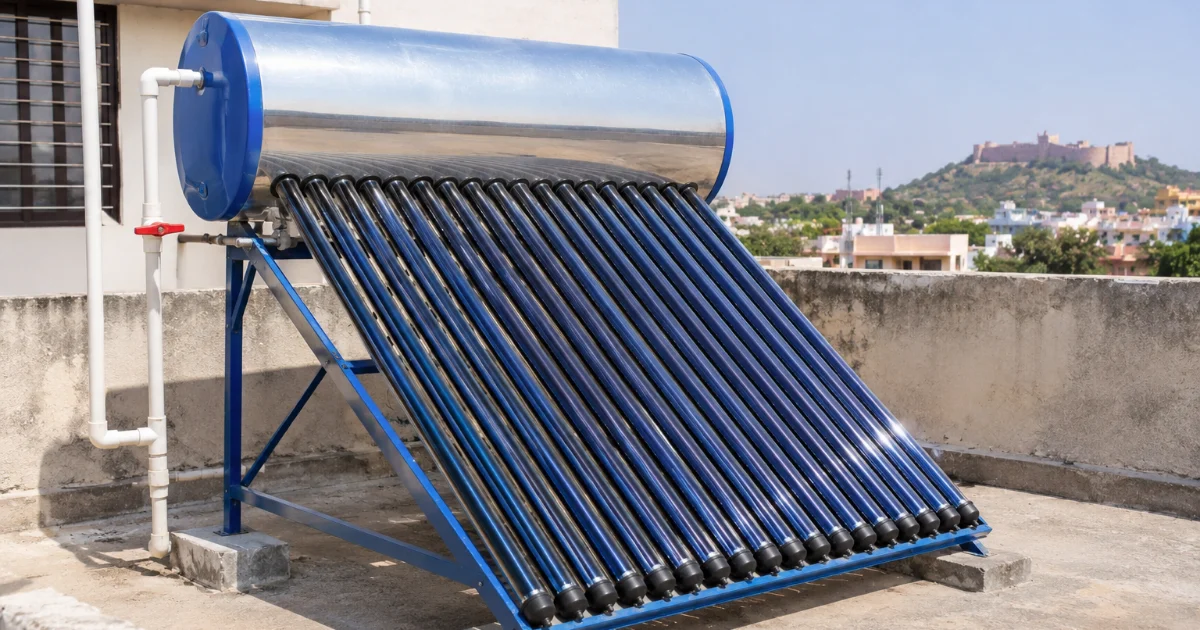
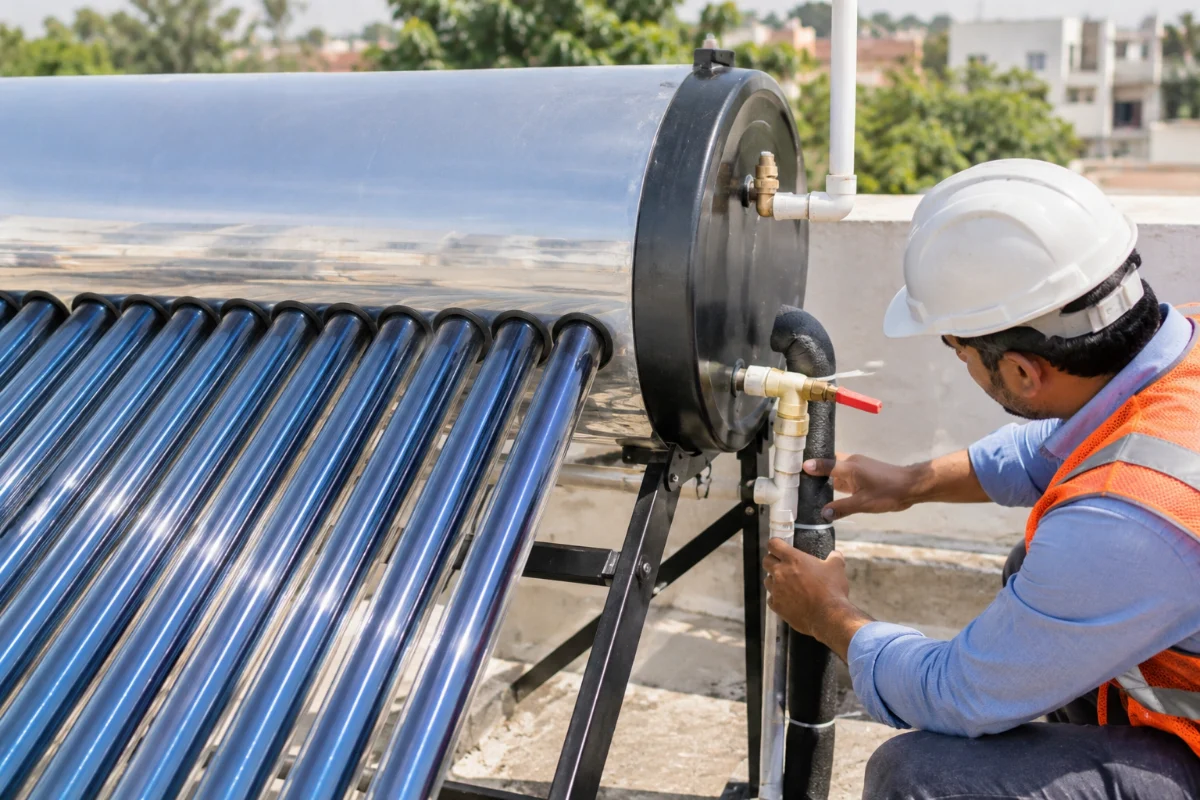
A solar collector on the roof absorbs sunlight and heats water, which rises by natural circulation into an insulated storage tank above the collector. Hot water is drawn from the tank as needed, and cold water refills it. Insulated tanks keep water warm overnight for morning use.
2. ETC vs FPC
- Evacuated tube collectors (ETC): glass tubes with vacuum insulation, efficient in cold weather and usually more affordable.
- Flat plate collectors (FPC): metal absorber plates, more robust and often preferred where water is hard or for larger systems.
Hard water can cause scaling, so ask your supplier which type and any softening options suit your water quality.
3. Sizing the system
Systems are sized in litres per day. A common rule of thumb is to estimate daily hot water use per person for bathing and multiply by the number of family members, then add for kitchen or other uses. Over-sized systems waste money; under-sized ones leave the family short on cold mornings. Our rooftop solar size guide covers how roof space is shared with solar panels.
4. Installation basics
- Place collectors facing south with clear sunlight most of the day.
- Keep the tank close to bathrooms to reduce heat loss in pipes.
- Insulate hot water pipes.
- Ensure the roof can carry the filled tank’s weight.
- Provide a reliable cold water supply from an overhead tank.
5. Electric backup and cloudy days
Most systems include an optional electric heating element for cloudy or very cold days. Use it with a timer or thermostat only when needed, so that most heating still comes from the sun. Homes that also install rooftop solar panels can power backup heating from their own generation; see our PM Surya Ghar guide for rooftop solar support.
6. Comparing costs and savings
The upfront cost of a solar water heater depends on capacity, collector type and installation. Savings come from reduced electricity or gas used for heating water, which can be significant in winter months. Compare the purchase price with expected annual savings to estimate the payback period, and remember that the system continues to save money for many years after it pays for itself. For hotels, hostels and hospitals with large hot water needs, savings are usually much higher.
- Ask for the capacity rating and certification of the system.
- Compare warranties and after-sales service, not just price.
- Check availability of spare tubes and parts locally.
7. Maintenance and lifespan
Clean collectors when dusty, check for broken tubes, and descale the tank and collectors periodically in hard water areas. Check the sacrificial anode if fitted. A well-maintained system can serve for many years. Compare warranties on tank, collectors and workmanship before buying, as explained in our warranty and AMC guide. Financing options for home improvements are covered by ATTPL Finance.
Frequently asked questions
Does a solar water heater work in winter?
Yes. It works on sunny winter days, and evacuated tube systems perform well in cold weather. Electric backup helps on cloudy days.
Which is better: ETC or FPC?
ETC is usually more affordable and efficient in cold weather; FPC is robust and often preferred for hard water. Choose based on water quality and budget.
How long does a solar water heater last?
With proper maintenance, many systems serve for well over a decade.
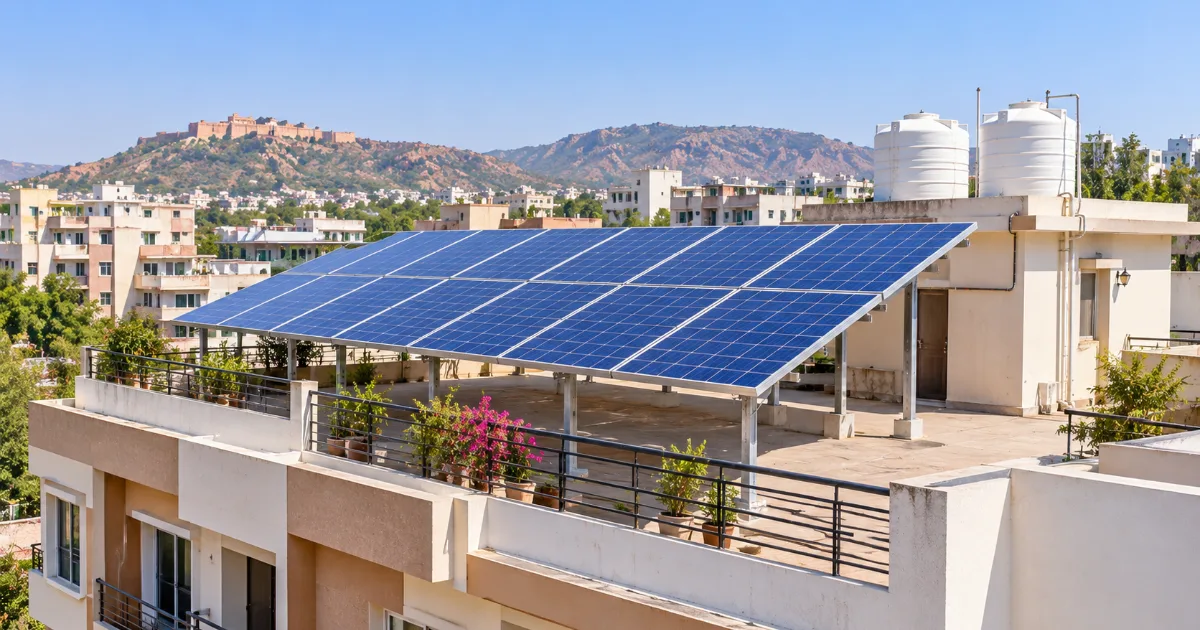
Can a solar water heater share the roof with solar panels?
Yes, with proper planning of space, shading and access for maintenance.
Sources
Want a solar water heater or rooftop solar for your home? Contact ATTPL Solar.